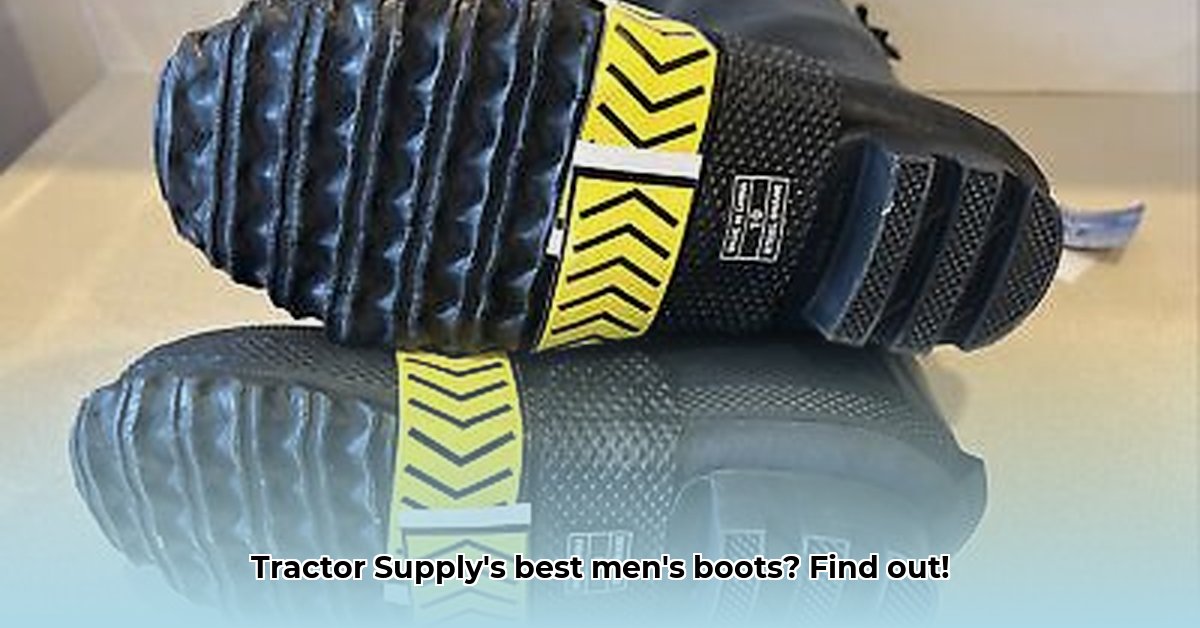
Tough Boots for Tough Jobs: The Tractor Supply Ridgecut Wellingtons
Imagine a day spent harvesting under the relentless sun, your feet sinking into mud with every step. Comfort and protection aren't luxuries; they're necessities. Tractor Supply's Ridgecut wellington boots aim to deliver both, and we've put them to the test. This review delves into their practicality, durability, and sustainability, offering a comprehensive guide for farmers, ranchers, and anyone needing reliable, long-lasting work boots.
Do you need boots that can withstand the rigors of daily farm work? The Ridgecut wellingtons offer impact protection with steel toes, a critical safety feature for those who work with heavy machinery or deal with potential hazards. But are they truly up to the task?
Ridgecut Wellington Boots: A Detailed Review
The Ridgecut Wellington boasts several key features:
- Steel Toe: Provides superior protection against impact injuries. (Note: However, this adds weight and may feel stiff initially.)
- Waterproof Design: Keeps feet dry in wet and muddy conditions. (Note: Requires regular cleaning and maintenance for optimal waterproofing.)
- Slip-Resistant Sole: Enhances stability on various surfaces. (Note: Grip may degrade with extended use.)
- Pull-on Design: Convenient and easy to put on and off. (Note: May not fit all foot types perfectly and lacks the adjustability of lace-up boots.)
- Cushioning: Offers adequate comfort for extended wear, though some users with specific foot issues might find it insufficient.
Pros and Cons at a Glance:
| Feature | Pros | Cons |
|---|---|---|
| Steel Toe | Superior impact protection | Added weight and stiffness |
| Waterproofing | Keeps feet dry in harsh conditions | Requires regular maintenance |
| Slip-Resistant Sole | Enhanced stability | Grip may wear down over time |
| Pull-on Design | Easy on/off | Limited fit adjustability |
| Cushioning | Reasonable comfort for most users | May be inadequate for users with specific foot problems |
Sustainability: A Deeper Look at the Environmental Impact
While durability and safety are paramount, the environmental impact of our footwear choices is increasingly important. "The lifecycle assessment of a product, from raw material sourcing to end-of-life disposal, is crucial for determining its overall sustainability," says Dr. Emily Carter, Professor of Chemical and Biomolecular Engineering at Princeton University. With the Ridgecut boots, more transparency regarding manufacturing processes and material sourcing is needed to fully assess their environmental footprint. What are the materials used, and are they recyclable? Can they be easily repaired or repurposed?
Extending Boot Lifespan: Practical Tips & Sustainable Practices
How long do these boots last? Proper care significantly extends their lifespan and minimizes waste. Here's how:
- Regular Cleaning: Clean mud and debris immediately after use to preserve waterproofing and prevent premature wear.
- Proper Storage: Store boots in a cool, dry place to prevent mold and mildew.
- Repair When Needed: Address minor damage promptly to prevent larger problems.
- Responsible Disposal: When the boots are beyond repair, explore donation, repurposing, or specialized recycling options, depending on local resources.
Choosing Wisely: A Step-by-Step Guide
- Assess Your Needs: Prioritize your needs (protection, comfort, etc.)
- Read Reviews: Gather real-world feedback from other users.
- Consider the Lifecycle: Assess the boot's complete life span, from materials to disposal.
- Support Sustainable Brands: Look for transparent manufacturers and sustainable practices.
By following these steps, you can select boots that meet your needs and align with your environmental values. Remember, responsible consumption contributes to a more sustainable future.